
How to Select High-Quality Stainless Steel Vacuum Insulated Cups
How to Select High-Quality Stainless Steel Vacuum Insulated Cups
Category: Stainless Steel Knowledge / Buying Guide
Author: Novfeel
Updated: 2025
Stainless steel vacuum insulated cups have become an essential part of modern life. Whether used for outdoor activities, commuting, office work, or children’s daily hydration, a quality insulated cup offers both heat retention and cold preservation. However, not all insulated cups are created equal. Understanding how they are made—and how to evaluate them—helps consumers choose safer and more durable products.
This guide explains how stainless steel vacuum insulated cups work and provides practical methods to determine product quality before purchasing.
Ⅰ. Understanding Stainless Steel Vacuum Insulated Cups
Stainless steel vacuum insulated cups are designed to maintain temperature by using double-layer stainless steel construction. The inner and outer layers are welded together, and the air between them is removed through vacuum technology. This vacuum layer significantly reduces heat transfer, giving the cup excellent insulation performance.
Key benefits of vacuum insulated cups:
-
Maintain hot water temperature for hours
-
Keep cold beverages chilled throughout the day
-
Durable, corrosion-resistant, and impact-resistant
-
Suitable for daily use in all seasons
During summer, they can hold iced water or ice cubes to keep drinks cold. In winter, they preserve heat efficiently, allowing you to enjoy hot water anytime.
Ⅱ. How to Choose Stainless Steel Vacuum Insulated Cups
1. Test Thermal Insulation Performance
A quick way to check insulation quality:
-
Fill the cup with boiling water.
-
Close the lid tightly.
-
After 2–3 minutes, touch the outer surface.
If the outer wall becomes noticeably warm, the vacuum layer is insufficient, meaning the cup will not retain temperature effectively.
2. Check the Sealing Performance
A good insulated cup must be completely leakproof.
-
Fill the cup with water
-
Tighten the lid securely
-
Turn it upside down or shake gently
If no water leaks, the sealing structure is well-designed. Poor sealing affects both insulation and safety during transport.
3. Evaluate Plastic Components
The lid and internal plastic parts should be made of food-grade materials.
High-quality food-grade plastic features:
-
Minimal odor
-
Smooth and glossy surface
-
No burrs or rough edges
-
Resistant to aging and cracking
Low-quality or recycled plastic may have:
-
Strong odor
-
Dark or uneven coloring
-
Visible burrs
-
Poor durability and safety risks
4. Confirm the Actual Capacity
A reliable insulated cup should match its labeled capacity.
-
The inner tank depth and outer shell height should be nearly identical
-
A normal tolerance range is within 16–18 mm
Some low-quality manufacturers add sand or cement to increase the weight artificially. Do not assume that heavier means better.
5. Identify Stainless Steel Material Grades (304 vs. 316)
304 Stainless Steel (Food-Grade Standard)
-
Excellent corrosion resistance
-
High temperature tolerance
-
Widely used in food containers and medical equipment
-
Safe for long-term contact with beverages
This is the most common and suitable material for daily vacuum insulated cups.
316 Stainless Steel (Premium Grade)
-
Superior corrosion resistance
-
Higher strength and durability
-
Performs well in harsh environments
-
Often used for children’s insulated bottles and high-end drinkware
316 stainless steel is more expensive, but ideal for acidic beverages, soups, and long-term use.
Conclusion
Choosing a reliable stainless steel vacuum insulated cup requires more than just checking the price or appearance. By understanding the materials and evaluating insulation, sealing, plastic quality, capacity, and craftsmanship, consumers can make safer and more informed decisions.
If you are looking for OEM/ODM customization, food-grade materials, and professional quality control, Novfeel provides comprehensive solutions tailored to global distributors, brand owners, and retailers.
Related Articles
-
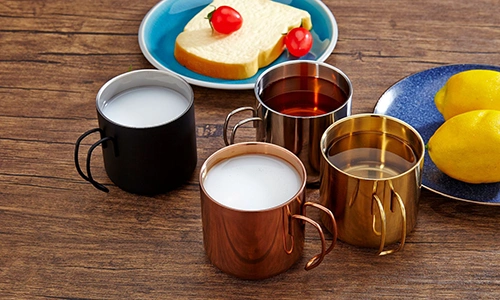
How to Judge the Quality of Stainless Steel Insulated Cups
How to Judge the Quality of Stainless Steel Insulated Cups Category: Stainless Steel KnowledgeAuthor: NovfeelUpdated: 2025(SEO-optimized enhanced version) Stainless steel insulated cups have become a daily essential for consumers across all occupations and lifestyles. From factory workers to celebri …
2025.10.29 -
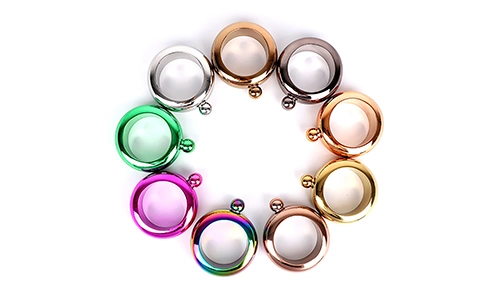
Custom Surface Finishes & Logo Branding for Stainless Steel Drinkware | Full-Service OEM & ODM Factory
Custom Surface Finishes & Logo Branding: Complete OEM & ODM Capabilities for Stainless Steel Drinkware Category: Manufacturing Capabilities / OEM & ODM CustomizationAuthor: NovfeelUpdated: 2025(SEO-optimized enhanced version) Introduction European buyers often worry whether a manufacture …
2025.11.29 -
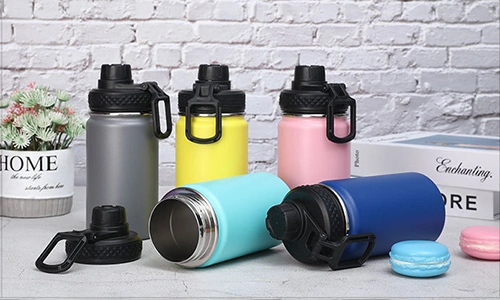
Sustainable & Compliant Stainless Steel Drinkware Manufacturing for the European Market | Novfeel Certifications Overview
Why European Buyers Trust Novfeel: Sustainable Manufacturing With Full Compliance Category: Sustainability & ComplianceAuthor: NovfeelUpdated: 2025(SEO-optimized enhanced version) Introduction In today’s European market, sustainability is no longer an option — it is a requirement. Buyers need su …
2025.11.29