
Are Stainless Steel Insulated Cups Toxic? Safety Facts, Risks, and Proper Usage Guide
Are Stainless Steel Insulated Cups Toxic to the Human Body?
Category: Stainless Steel Knowledge/Product Safety &
Author: Novfeel
Updated: 2025
(SEO-optimized enhanced version)
Stainless steel insulated cups are widely used for hot and cold drinks, but many people still wonder whether they are truly safe. Below is a clear, science-based explanation of how stainless steel insulated cups work, when they are safe, and when improper use may cause health risks.
Ⅰ. Are Stainless Steel Insulated Cups Harmful?
1. Boiling Water in Stainless Steel Insulated Cups Is Non-Toxic
A stainless steel insulated cup is constructed with inner and outer layers of stainless steel, welded together and vacuum-sealed by removing the air between the layers. This vacuum structure provides excellent insulation and offers several advantages:
-
Strong heat preservation
-
Lightweight and impact-resistant
-
Corrosion-resistant
-
Withstands temperature changes
-
Convenient and durable
High-quality insulated cups use food-grade 304 stainless steel, ensuring that heavy metal release—including nickel and lead—remains far below safety limits.
Certified insulated cups typically use:
-
PC (polycarbonate) for the inner lid — odorless, heat-resistant, and safe when exposed to boiling water
-
Food-grade silicone for the sealing ring
Therefore, using a stainless steel insulated cup for boiling water is safe and non-toxic.
⚠️ However, extremely cheap cups may use substandard steel.
The cost and quality of 304 stainless steel directly influence product safety.
2. Using Stainless Steel Cups for Acidic or Alkaline Drinks Can Be Harmful
Stainless steel is an alloy. When exposed to acidic or alkaline liquids, it may accelerate metal ion release.
Avoid storing the following beverages:
-
Fruit juices
-
Coffee
-
Carbonated drinks (soda)
-
Sports drinks
-
Vinegar-based drinks
Acidic liquids can increase corrosion and cause heavy metal precipitation, making long-term consumption unsafe.
For daily use with boiled water or neutral beverages, stainless steel is safe.
3. Stainless Steel Insulated Cups Should Not Be Used for Milk
Storing milk in an insulated cup is harmful due to:
-
Rapid bacterial growth in the warm, constant-temperature environment
-
Milk spoiling within 3–4 hours
-
Destruction of milk vitamins
-
Potential to cause digestive discomfort or food poisoning
❗ Insulated cups are not suitable for storing dairy products.
Ⅱ. Can Stainless Steel Insulated Cups Be Used to Steep Tea?
It is not recommended to brew tea directly in stainless steel insulated cups.
Tea contains:
-
Tannic acids
-
Theophylline
-
Aromatic oils
-
Various vitamins
These nutrients are best extracted at around 80°C (176°F).
When tea is made in an insulated cup:
-
Tea leaves remain in high-temperature water for too long.
-
Vitamins are destroyed.
-
Aromatic oils evaporate, reducing fragrance.
-
Excess tannic acid and theophylline leach out, causing bitterness.
-
Prolonged steeping may even release trace heavy metals from tea leaves.
The result is:
-
Poor taste
-
Nutritional loss
-
Increased harmful substances
✔ Recommended: Brew tea separately and pour the finished tea into the insulated cup for heat retention.
Conclusion
Stainless steel insulated cups are safe for daily use when filled with hot or cold water, especially when made from high-quality 304 stainless steel.
However, avoid storing acidic drinks, milk, or brewing tea directly inside the cup, as this may result in corrosion, nutritional loss, or health risks.
With proper use, stainless steel insulated cups remain one of the safest and most durable drinkware choices for everyday life.
Related Articles
-
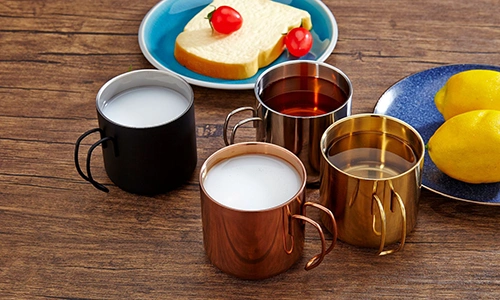
How to Judge the Quality of Stainless Steel Insulated Cups
How to Judge the Quality of Stainless Steel Insulated Cups Category: Stainless Steel KnowledgeAuthor: NovfeelUpdated: 2025(SEO-optimized enhanced version) Stainless steel insulated cups have become a daily essential for consumers across all occupations and lifestyles. From factory workers to celebri …
2025.10.29 -
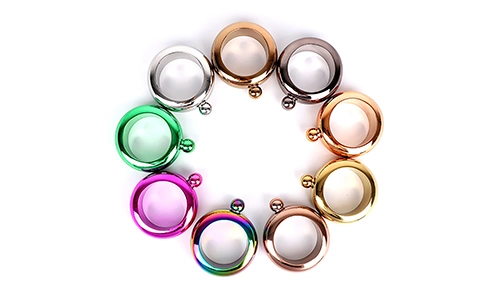
Custom Surface Finishes & Logo Branding for Stainless Steel Drinkware | Full-Service OEM & ODM Factory
Custom Surface Finishes & Logo Branding: Complete OEM & ODM Capabilities for Stainless Steel Drinkware Category: Manufacturing Capabilities / OEM & ODM CustomizationAuthor: NovfeelUpdated: 2025(SEO-optimized enhanced version) Introduction European buyers often worry whether a manufacture …
2025.11.29 -
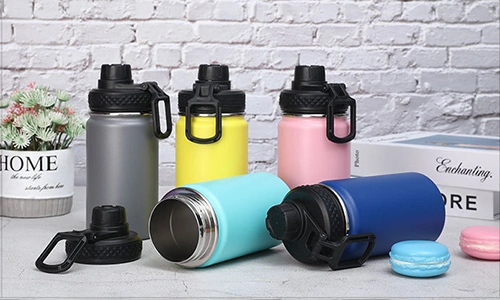
Sustainable & Compliant Stainless Steel Drinkware Manufacturing for the European Market | Novfeel Certifications Overview
Why European Buyers Trust Novfeel: Sustainable Manufacturing With Full Compliance Category: Sustainability & ComplianceAuthor: NovfeelUpdated: 2025(SEO-optimized enhanced version) Introduction In today’s European market, sustainability is no longer an option — it is a requirement. Buyers need su …
2025.11.29