
Daily Precautions for Using Stainless Steel Insulated Bottles: Safety Guide for Buyers & End Users
Daily Precautions for Using Stainless Steel Insulated Bottles
Category: Stainless Steel Knowledge/Product Knowledge / Stainless Steel Insulated Bottle Usage Guide
Author: Novfeel
Updated: 2025
(SEO-optimized enhanced version)
Introduction
Stainless steel insulated bottles are widely used in daily life due to their excellent heat-retention performance. In cold weather or during outdoor activities, insulated drinkware helps users enjoy hot water anytime. However, many consumers mistakenly store unsuitable liquids inside insulated bottles, which may affect performance, shorten product lifespan, or cause health risks.
For B2B buyers, distributors, and private-label brands, understanding correct usage recommendations is essential to reduce customer complaints and educate end users. This guide explains how stainless steel insulated bottles work and what precautions should be taken during daily use.
Ⅰ. Understanding Stainless Steel Insulated Bottles
A stainless steel insulated bottle consists of:
-
Inner and outer stainless steel layers
-
Precision welding technology
-
A vacuum-sealed cavity between the two layers
This structure prevents heat transfer through conduction or convection, enabling long-lasting insulation.
There are generally two types:
1. Standard Insulated Bottles
These provide basic heat retention, typically less than 3 hours after filling with hot water.
2. Vacuum Insulated Bottles
These use advanced vacuum extraction technology to maintain temperature for 8 hours or more, depending on design, capacity, and material quality.
High-performance bottles commonly use 304 or 316 stainless steel, ensuring durability and food safety.
Ⅱ. Daily Precautions for Safe Use
To ensure safety and extend product lifespan, several types of liquids or habits should be avoided when using stainless steel insulated bottles.
1. Avoid Long-Term Storage of Acidic Beverages
Liquids such as:
-
lemon juice
-
carbonated drinks
-
sports drinks
-
vinegar-based beverages
may cause chemical reactions when stored for extended periods.
Even though stainless steel withstands high temperatures, strong acids can slowly corrode the inner liner, leading to:
-
weakened insulation performance
-
metallic taste
-
surface pitting or discoloration
-
difficulty opening due to pressure changes (in carbonated drinks)
Short-term contact is generally safe, but B2B buyers should advise customers to avoid prolonged storage.
2. Do Not Store Milk or Dairy-Based Drinks
Milk is highly perishable. When kept in a warm insulated environment:
-
nutrients degrade
-
bacteria multiply rapidly
-
milk may spoil within 3–4 hours
Spoiled dairy can cause:
-
diarrhea
-
abdominal pain
-
nausea
-
food poisoning
Insulated bottles are designed for water, not dairy products.
3. Avoid Brewing Tea Inside Insulated Bottles
Despite being a common habit among tea lovers, brewing tea inside a vacuum bottle causes:
-
continuous extraction of tea polyphenols
-
bitter, overly strong taste
-
destruction of vitamins
-
color residues inside the liner
Long-term high-temperature steeping decreases both nutritional value and drinking experience.
4. Do Not Store Traditional Chinese Medicine or Herbal Decoctions
Traditional Chinese Medicine (TCM) decoctions often contain acidic components that may react with the stainless-steel liner.
Potential risks include:
-
release of unwanted metallic substances into the liquid
-
reduced medicinal effectiveness
-
accelerated spoilage due to prolonged high temperature
-
unpleasant odors or contamination
For safety, medicinal liquids should be stored only in containers designed for medical or short-term storage use.
Conclusion
Stainless steel insulated bottles offer excellent thermal performance, but proper usage is essential for safety and longevity. Avoiding acidic beverages, dairy products, tea brewing, and herbal medicines inside insulated bottles helps maintain optimal function and prevents potential health issues.
For brands and distributors, educating customers and choosing reliable suppliers that meet food-grade standards—such as Novfeel—ensures product quality and reduces after-sales problems.
Related Articles
-
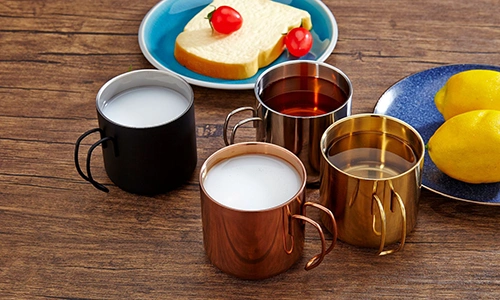
How to Judge the Quality of Stainless Steel Insulated Cups
How to Judge the Quality of Stainless Steel Insulated Cups Category: Stainless Steel KnowledgeAuthor: NovfeelUpdated: 2025(SEO-optimized enhanced version) Stainless steel insulated cups have become a daily essential for consumers across all occupations and lifestyles. From factory workers to celebri …
2025.10.29 -
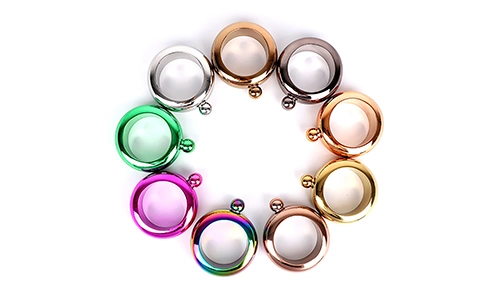
Custom Surface Finishes & Logo Branding for Stainless Steel Drinkware | Full-Service OEM & ODM Factory
Custom Surface Finishes & Logo Branding: Complete OEM & ODM Capabilities for Stainless Steel Drinkware Category: Manufacturing Capabilities / OEM & ODM CustomizationAuthor: NovfeelUpdated: 2025(SEO-optimized enhanced version) Introduction European buyers often worry whether a manufacture …
2025.11.29 -
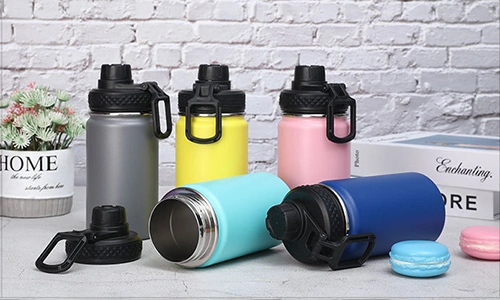
Sustainable & Compliant Stainless Steel Drinkware Manufacturing for the European Market | Novfeel Certifications Overview
Why European Buyers Trust Novfeel: Sustainable Manufacturing With Full Compliance Category: Sustainability & ComplianceAuthor: NovfeelUpdated: 2025(SEO-optimized enhanced version) Introduction In today’s European market, sustainability is no longer an option — it is a requirement. Buyers need su …
2025.11.29