
How to Choose the Right Water Bottle: A Complete Guide to Safe Materials and Daily Use
Do You Choose the Right Water Bottle?
A Complete Guide to Safe & Healthy Drinkware Selection
Category: Product Knowledge & Buyer Guide
Author: Novfeel
Updated: 2025
(SEO-optimized enhanced version)
Introduction
Staying hydrated is essential for maintaining good health, and choosing the right water bottle is just as important as drinking water itself. Different materials react differently to heat, acidity, and long-term usage, which means not every cup is safe for all types of beverages. Some bottles may release harmful substances, while others are not suitable for boiling water or acidic drinks.
So, how do you choose the right water bottle for everyday use—or even for wholesale purchasing? This guide breaks down the five most common types of drinkware and helps you select the safest option.
1. Plastic Water Bottles
Plastic bottles are widely used because they are lightweight, affordable, and convenient. They are especially common among younger consumers due to portability and durability.
However, their disadvantages include:
-
Potential release of chemicals when exposed to high temperatures
-
Limited lifespan and risk of odor retention
-
Reduced safety if not BPA-free
Plastic bottles can be practical, but they require careful selection and proper use to ensure safety.
2. Vacuum Flasks (Insulated Bottles)
Vacuum flasks are popular for maintaining drink temperature—keeping water hot or cold for extended periods. They are widely used for daily hydration, outdoor activities, and even health-preserving beverages like herbal drinks.
Pros:
-
Excellent insulation performance
-
Suitable for hot beverages
-
Durable and reusable
Cons:
-
Not all vacuum flasks are made from high-grade materials
-
Some low-quality products may contain unsafe inner coatings
-
Strong acidic drinks may still affect the interior lining
Understanding the material quality of the vacuum flask is essential for safe usage.
3. Stainless Steel Water Bottles
Stainless steel bottles are known for durability, temperature retention, and long-term usage. For normal drinking water, stainless steel is generally safe.
However, safety concerns arise when storing acidic beverages, including:
-
Fruit juices
-
Carbonated drinks
-
Coffee
-
Sports drinks
Acidic liquids may increase the risk of heavy metal leaching if the stainless steel is low grade or poorly manufactured. High-quality 304/316 stainless steel is much safer, but extended storage of strong acids is still not recommended.
4. Disposable Paper Cups
Paper cups appear clean and convenient, but appearances can be deceiving.
Issues include:
-
Many cups contain plastic coatings that are not visible
-
Overly white cups may contain fluorescent whitening agents
-
Single-use cups are not environmentally friendly
-
Quality varies greatly, especially with low-cost suppliers
Paper cups are suitable for temporary use, but they are not ideal for long-term drinking.
5. Glass Water Bottles — The Safest Choice
Glass is widely considered one of the safest and most stable materials for drinkware.
Advantages:
-
Chemically stable; does not react with acidic or alkaline drinks
-
Does not release harmful substances
-
Easy to clean due to a smooth, non-porous surface
-
Resistant to odor and staining
-
Ideal for long-term and daily use
When safety and hygiene are top priorities, glass cups remain the healthiest choice for drinking.
Conclusion(结论)
Choosing the right water bottle is crucial for maintaining safe and healthy hydration habits.
-
Plastic bottles are convenient but require attention to chemical safety.
-
Vacuum flasks are excellent for insulation but should be made with high-quality materials.
-
Stainless steel bottles are durable but not ideal for acidic drinks.
-
Paper cups are convenient but not hygienic for regular use.
-
Glass bottles are the safest and most stable option for all types of beverages.
For B2B buyers and wholesale distributors, understanding these material differences helps ensure product safety, customer satisfaction, and long-term brand trust. Always choose certified, high-quality drinkware for your business and customers.
Related Articles
-
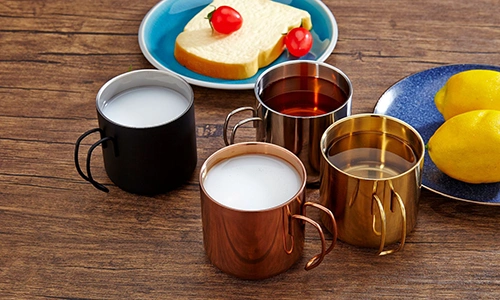
How to Judge the Quality of Stainless Steel Insulated Cups
How to Judge the Quality of Stainless Steel Insulated Cups Category: Stainless Steel KnowledgeAuthor: NovfeelUpdated: 2025(SEO-optimized enhanced version) Stainless steel insulated cups have become a daily essential for consumers across all occupations and lifestyles. From factory workers to celebri …
2025.10.29 -
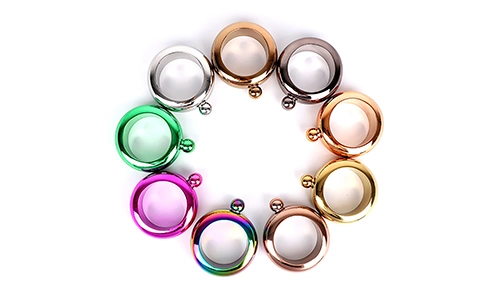
Custom Surface Finishes & Logo Branding for Stainless Steel Drinkware | Full-Service OEM & ODM Factory
Custom Surface Finishes & Logo Branding: Complete OEM & ODM Capabilities for Stainless Steel Drinkware Category: Manufacturing Capabilities / OEM & ODM CustomizationAuthor: NovfeelUpdated: 2025(SEO-optimized enhanced version) Introduction European buyers often worry whether a manufacture …
2025.11.29 -
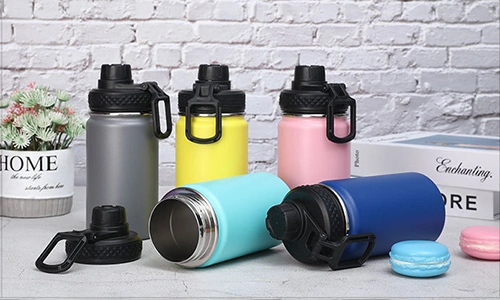
Sustainable & Compliant Stainless Steel Drinkware Manufacturing for the European Market | Novfeel Certifications Overview
Why European Buyers Trust Novfeel: Sustainable Manufacturing With Full Compliance Category: Sustainability & ComplianceAuthor: NovfeelUpdated: 2025(SEO-optimized enhanced version) Introduction In today’s European market, sustainability is no longer an option — it is a requirement. Buyers need su …
2025.11.29