
How Stainless Steel Thermos Cups Work: Vacuum Insulation Principle, Applications & Usage Tips for B2B Buyers
How Stainless Steel Thermos Cups Work: Insulation Principle, Applications & Key Usage Tips
Category: Product Knowledge / Technical Guide
Author: Novfeel
Updated: 2025
(SEO-optimized enhanced version)
Introduction
As a professional insulated bottle manufacturer and partner to global stainless steel water bottle suppliers, Novfeel receives frequent questions from buyers: How does a thermos cup preserve temperature? What design and usage factors influence performance? This guide explains the thermos insulation principle, common applications for a vacuum insulated bottle, and practical, industry-grade tips to maximize product performance and customer satisfaction.
Ⅰ. The Insulation Principle of a Stainless Steel Thermos Cup
The modern stainless steel thermos cup is an evolution of the classic thermos. Rather than rely on thick single walls, modern designs use double-wall stainless steel and a vacuum layer to minimize heat transfer.
-
Heat transfer modes: heat moves by conduction, convection, and radiation. Effective thermos design aims to block all three.
-
Vacuum layer (core): removing air between inner and outer walls eliminates convective heat transfer and greatly reduces conductive losses — this is the heart of vacuum insulation technology.
-
Reflective inner surface: polished or silvered inner liners reduce radiative heat loss.
-
Lid & seal design: the opening is the main path for heat exchange; a well-engineered cap reduces convective loss and air exchange.
When these elements are combined correctly, the result is a vacuum insulated bottle that maintains hot liquids hot and cold liquids cold for extended periods.
Ⅱ. Practical Applications & Buyer Considerations
A stainless steel thermos cup is versatile — from consumer retail to corporate gifting and outdoor gear. For B2B buyers, evaluate these aspects:
Common Use Cases
-
Hot drinks: tea, coffee, hot water for field workers or commuters.
-
Cold drinks: iced tea, cold water, sports drinks.
-
Gifts and promotions: custom branding for events or corporate merchandise.
Quality Indicators Buyers Should Check
When vetting an insulated bottle manufacturer or stainless steel water bottle supplier, inspect:
-
Material grade: inner liner must be food-grade (e.g., SUS304 or SUS316).
-
Vacuum integrity: test with hot water — the external surface should remain cool to the touch.
-
Welding and seams: smooth welds and a seamless inner liner indicate good manufacturing control.
-
Cap and gasket design: ensure leakproof performance and durable, food-safe plastics (PP/Tritan).
These checks help ensure compliance with safety standards and reduce returns.
Ⅲ. Usage Tips to Maximize Thermal Performance
Follow these practical, field-proven thermal retention tips to get the best results from a vacuum insulated bottle:
1. Preheat or Pre-cool the Bottle
Rinse with hot (or cold) water for 1–3 minutes before filling. This reduces initial thermal shock and improves retention.
2. Leave a Small Air Gap
Do not fill the bottle completely to the brim. An air gap reduces heat transfer through the lid and prevents direct contact between liquid and the cap.
3. Tighten the Lid Securely (but Don’t Over-Torque)
Proper sealing limits convection; avoid over-tightening which can damage threads or gaskets.
4. Avoid Impacts and Drops
Mechanical shock can compromise the vacuum layer. Recommend protective packaging for logistics and robust testing during procurement.
5. Clean and Maintain Regularly
Residues can reduce performance and create odors. Use soft brushes and food-safe cleaning agents; avoid abrasive scouring.
Conclusion
Understanding the thermos insulation principle behind a double-wall stainless steel design is essential for B2B buyers and brand owners. Selecting the right insulated bottle manufacturer and following practical usage and maintenance tips ensures reliable thermal performance and long product life. If you’re sourcing in bulk, Novfeel can support OEM/ODM development, material verification, and sample testing to meet your market and regulatory requirements.
Related Articles
-
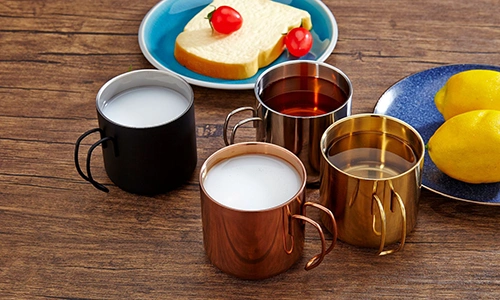
How to Judge the Quality of Stainless Steel Insulated Cups
How to Judge the Quality of Stainless Steel Insulated Cups Category: Stainless Steel KnowledgeAuthor: NovfeelUpdated: 2025(SEO-optimized enhanced version) Stainless steel insulated cups have become a daily essential for consumers across all occupations and lifestyles. From factory workers to celebri …
2025.10.29 -
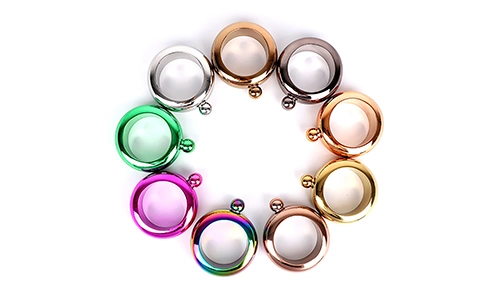
Custom Surface Finishes & Logo Branding for Stainless Steel Drinkware | Full-Service OEM & ODM Factory
Custom Surface Finishes & Logo Branding: Complete OEM & ODM Capabilities for Stainless Steel Drinkware Category: Manufacturing Capabilities / OEM & ODM CustomizationAuthor: NovfeelUpdated: 2025(SEO-optimized enhanced version) Introduction European buyers often worry whether a manufacture …
2025.11.29 -
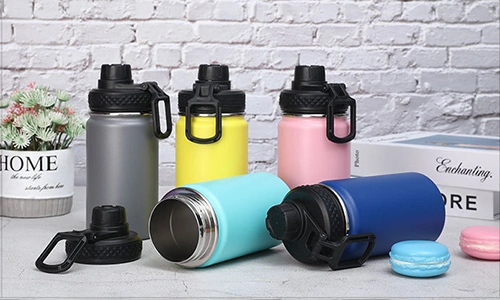
Sustainable & Compliant Stainless Steel Drinkware Manufacturing for the European Market | Novfeel Certifications Overview
Why European Buyers Trust Novfeel: Sustainable Manufacturing With Full Compliance Category: Sustainability & ComplianceAuthor: NovfeelUpdated: 2025(SEO-optimized enhanced version) Introduction In today’s European market, sustainability is no longer an option — it is a requirement. Buyers need su …
2025.11.29