
How to Judge the Quality of Stainless Steel Insulated Cups
How to Judge the Quality of Stainless Steel Insulated Cups
Category: Stainless Steel Knowledge
Author: Novfeel
Updated: 2025
(SEO-optimized enhanced version)
Stainless steel insulated cups have become a daily essential for consumers across all occupations and lifestyles. From factory workers to celebrities on international stages, people rely on insulated cups for temperature retention and convenience. However, with a wide range of pricing and quality on the market, it’s important to understand how to evaluate the quality of a stainless steel insulated cup.
This guide explains how to assess quality through material, structure, accessories, and insulation performance.
1. Stainless Steel Insulated Cups Are Not Just for Winter
Many users mistakenly believe insulated cups are only for keeping beverages warm. In fact, vacuum insulated stainless steel cups are equally effective at keeping drinks cold, making them ideal for hot summers, outdoor activities, or busy travel schedules.
A high-quality insulated cup can keep iced drinks cool for hours, ensuring refreshment even in high temperatures. The key lies in the vacuum structure and the integrity of the inner tank material.
2. How to Evaluate the Quality of a Stainless Steel Insulated Cup
① Material Identification: Look for 18/8 or 304 Stainless Steel
High-quality cups typically use 18/8 stainless steel, meaning the material contains:
-
18% chromium
-
8% nickel
This composition meets food-grade 304 stainless steel standards, offering:
-
Strong corrosion resistance
-
Rust protection
-
Food safety compliance
Indicators of inferior steel include:
-
A dull, whitish appearance
-
Rust appearing after soaking in 1% saltwater for 24 hours
-
Potentially harmful elements exceeding safety limits
Using non-food-grade stainless steel can pose health risks.
② Capacity and Inner Tank Structure
The depth of the inner tank should closely match the outer shell, typically with a difference of 16–18 mm depending on insulation layer design.
Low-quality manufacturers may use deceptive methods such as:
-
Adding cement or sand to increase weight
-
Reducing actual capacity
-
Using thinner or uneven inner walls
A heavier cup does not necessarily indicate better quality—precision engineering and the correct materials are what matter.
③ Inspection of Plastic Components
Quality insulated cups use BPA-free, food-grade plastics for lids and accessories.
Characteristics of good plastic parts:
-
Minimal odor
-
Smooth, polished surfaces
-
No burrs or rough edges
-
Strong durability and resistance to aging
Avoid cups with:
-
Strong chemical smell
-
Dark or uneven color
-
Cracking or brittle plastics
-
Rough manufacturing marks
These may indicate the use of recycled or low-grade materials.
④ Insulation and Seal Performance
• Insulation Test
-
Pour boiling water into the insulated cup.
-
Close the lid tightly.
-
Wait 2–3 minutes and touch the outer surface.
If the outer wall becomes noticeably warm, the vacuum seal is compromised, meaning poor insulation performance.
• Seal Test
-
Fill the cup with water.
-
Tighten the lid completely.
-
Lay the cup flat on a table.
A quality insulated cup should show no leakage, and the lid should screw smoothly without gaps.
Conclusion
By inspecting materials, structure, accessories, and thermal performance, consumers and procurement professionals can accurately identify high-quality stainless steel insulated cups. Understanding these key evaluation steps helps avoid inferior products and ensures long-term safety and performance.
Novfeel provides OEM and ODM stainless steel drinkware with strict material selection, high-precision manufacturing, and global export standards. If you need professional guidance or custom insulated cup solutions, we are here to help.
Related Articles
-
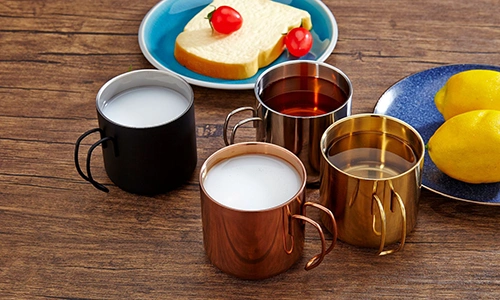
How to Judge the Quality of Stainless Steel Insulated Cups
How to Judge the Quality of Stainless Steel Insulated Cups Category: Stainless Steel KnowledgeAuthor: NovfeelUpdated: 2025(SEO-optimized enhanced version) Stainless steel insulated cups have become a daily essential for consumers across all occupations and lifestyles. From factory workers to celebri …
2025.10.29 -
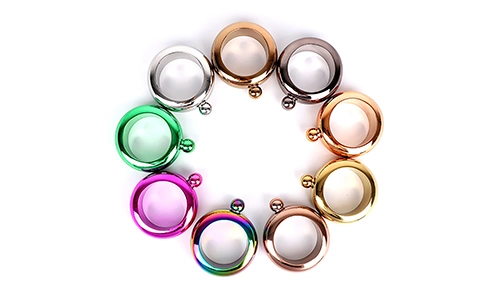
Custom Surface Finishes & Logo Branding for Stainless Steel Drinkware | Full-Service OEM & ODM Factory
Custom Surface Finishes & Logo Branding: Complete OEM & ODM Capabilities for Stainless Steel Drinkware Category: Manufacturing Capabilities / OEM & ODM CustomizationAuthor: NovfeelUpdated: 2025(SEO-optimized enhanced version) Introduction European buyers often worry whether a manufacture …
2025.11.29 -
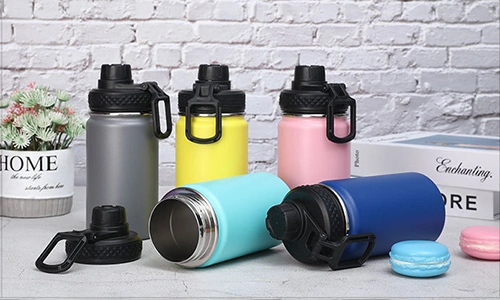
Sustainable & Compliant Stainless Steel Drinkware Manufacturing for the European Market | Novfeel Certifications Overview
Why European Buyers Trust Novfeel: Sustainable Manufacturing With Full Compliance Category: Sustainability & ComplianceAuthor: NovfeelUpdated: 2025(SEO-optimized enhanced version) Introduction In today’s European market, sustainability is no longer an option — it is a requirement. Buyers need su …
2025.11.29