
How to Design a Vacuum Insulated Stainless Steel Water Bottle: Expert Recommendations for Manufacturers
Our Recommendations and Product Features for Designing a Vacuum Flask
Category: Product Knowledge / Vacuum Flask Design Guide
Author: Novfeel
Updated: 2025
(SEO-optimized enhanced version)
Introduction
Designing a vacuum insulated stainless steel water bottle that is durable, effective, and visually appealing is a major challenge for many designers and brand owners. Unlike single-wall bottles, vacuum flasks require complex structural engineering, strict material selection, and precise manufacturing to achieve reliable insulation performance.
This guide summarizes the key factors every designer, importer, or brand developer should know before creating a custom vacuum flask suitable for mass production.
How to Design a High-Quality Vacuum Insulated Water Bottle
1. Ensure Proper Distance Between Inner and Outer Walls
A vacuum flask consists of two stainless steel layers with a vacuum chamber in between.
-
The standard spacing is 3mm (minimum 2mm).
-
This vacuum gap is essential; insufficient space will greatly reduce insulation performance.
Maintaining consistent spacing during manufacturing also ensures safety and structural stability.
2. Select the Correct Stainless Steel Thickness
The thickness of the stainless steel walls (inner & outer) impacts durability, weight, and production cost:
-
For bottle diameters below 70mm: typically 0.4mm stainless steel is used.
-
For diameters above 70mm: manufacturers may use 0.5mm / 0.6mm / 0.7mm depending on design requirements.
Thicker steel improves durability but increases material cost, so balance is important for commercial projects.
3. Choose Safe and Suitable Stainless Steel Material
Vacuum flasks are commonly made from:
-
18/8 stainless steel (SUS304) — safe, food-grade, widely used.
-
316 stainless steel — used for medical-grade or high-end products requiring superior corrosion resistance.
-
201 stainless steel — should never be used for the inner wall, as it is not food-safe and cannot pass FDA tests.
A high-quality vacuum flask always uses SUS304 or SUS316 for the inner layer.
4. Select BPA-Free Plastic Materials for the Lid
Lid materials commonly include:
-
PP
-
Tritan
-
AS
These plastics are BPA-free and safe for daily use. Lid structure also impacts leak resistance and user experience, so engineering design is crucial.
Design & Engineering Services for Vacuum Flasks
As a professional manufacturer of vacuum insulated stainless steel bottles, we provide comprehensive design-to-production support:
-
Turn sketches or concepts into 3D CAD drawings
-
Produce 3D-printed samples for evaluation
-
Offer engineering optimization to improve insulation performance and manufacturability
-
Provide OEM/ODM services for custom designs
If you need a reliable factory to bring your vacuum flask concept to market, our team is ready to assist.
Conclusion
Designing a vacuum insulated stainless steel water bottle involves far more than aesthetic considerations. Proper wall spacing, material selection, stainless steel thickness, and lid design all directly impact insulation performance, durability, and production feasibility.
By following these core principles, brands can create products that meet market demands, maintain high safety standards, and stand out in the competitive drinkware industry. For customized solutions, professional engineering support is essential—and novfeel is here to help.
Related Articles
-
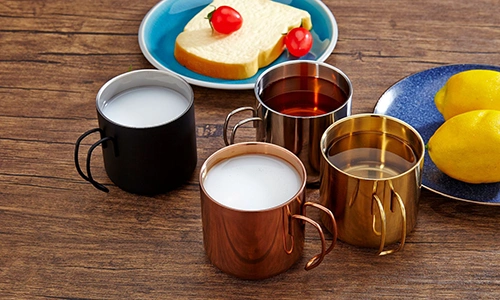
How to Judge the Quality of Stainless Steel Insulated Cups
How to Judge the Quality of Stainless Steel Insulated Cups Category: Stainless Steel KnowledgeAuthor: NovfeelUpdated: 2025(SEO-optimized enhanced version) Stainless steel insulated cups have become a daily essential for consumers across all occupations and lifestyles. From factory workers to celebri …
2025.10.29 -
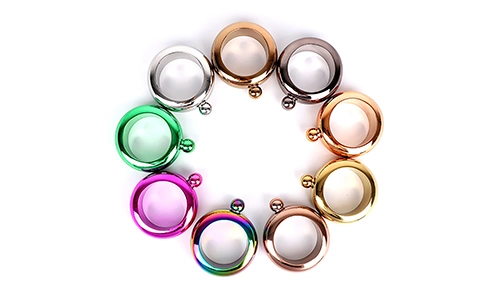
Custom Surface Finishes & Logo Branding for Stainless Steel Drinkware | Full-Service OEM & ODM Factory
Custom Surface Finishes & Logo Branding: Complete OEM & ODM Capabilities for Stainless Steel Drinkware Category: Manufacturing Capabilities / OEM & ODM CustomizationAuthor: NovfeelUpdated: 2025(SEO-optimized enhanced version) Introduction European buyers often worry whether a manufacture …
2025.11.29 -
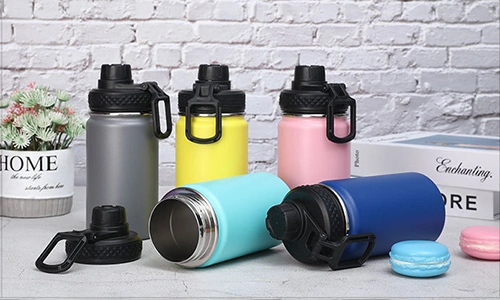
Sustainable & Compliant Stainless Steel Drinkware Manufacturing for the European Market | Novfeel Certifications Overview
Why European Buyers Trust Novfeel: Sustainable Manufacturing With Full Compliance Category: Sustainability & ComplianceAuthor: NovfeelUpdated: 2025(SEO-optimized enhanced version) Introduction In today’s European market, sustainability is no longer an option — it is a requirement. Buyers need su …
2025.11.29