
How to Use a Stainless Steel Thermos Cup Correctly for Better Insulation|Thermos Insulation Principles Explained
Know and Use Stainless Steel Thermos Cup
Category: Product Knowledge / Stainless Steel Drinkware Guide
Author: Novfeel
Updated: 2025
(SEO-optimized enhanced version)
Introduction
A stainless steel thermos cup is one of the most widely used hydration tools in daily life. For brands, wholesalers and buyers working with a stainless steel water bottle supplier or an insulated bottle manufacturer, understanding the working mechanisms and correct usage methods can significantly improve product satisfaction and customer trust. This article introduces the structure, the thermos insulation principle, and practical thermal retention tips, helping you use your vacuum flask more effectively.
1. Understand the Stainless Steel Thermos Cup
When you purchase a stainless steel thermos cup, its insulation performance is mainly determined by the product’s structure and production technology. Most high-quality insulated containers are designed as double-wall stainless steel with a vacuum insulated bottle construction.
The thermos insulation principle depends on reducing three types of heat transfer—conduction, convection, and radiation.
-
The vacuum layer (no air) slows down heat conduction.
-
The double-wall stainless steel structure prevents external temperature influence.
-
The reflective inner layer minimizes heat radiation.
Because insulation quality is determined during manufacturing, maximizing thermal retention requires proper usage habits. That is why understanding correct operating methods is essential for both end users and B2B buyers.
2. Why the Extended Insulation Effect of Stainless Steel Vacuum Cups Matters
To understand insulation efficiency, you must first understand heat transfer.
-
Stainless steel is an excellent conductor of heat, meaning it heats up and cools down quickly.
-
Air, plastic, glass, and ceramics are poor conductors of heat, meaning they slow down heat loss.
So why is a vacuum insulated bottle made of stainless steel instead of other materials?
Because stainless steel provides durability, food-grade safety, pressure resistance, and long-term reliability—especially important for brands sourcing products from an insulated bottle manufacturer.
However, stainless steel alone would lose heat quickly if there was no vacuum layer. That’s why air between the walls must be removed. With vacuum technology, the bottle dramatically slows heat transfer, preserving both hot and cold temperatures more effectively.
Even in a vacuum environment, some heat still transfers through radiation, but the speed is significantly reduced.
This means:
-
When the liquid inside is hotter than the outside, heat loss slows down.
-
When the liquid inside is colder than the outside, warming is delayed.
Therefore, a stainless steel thermos cup preserves both hot and cold beverages thanks to its thermos insulation principle.
3. Practical Thermal Retention Tips to Improve Insulation
To achieve better insulation performance, here are practical thermal retention tips widely recommended by professionals and stainless steel water bottle suppliers:
① Preheat or pre-cool the liner
Before adding hot or cold beverages:
-
Pour a little hot water or cold water inside
-
Let it sit for a few minutes
-
Pour it out, then fill the drink
This prepares the double-wall stainless steel environment for optimal insulation.
② Leave some space—do not fill the bottle 100%
Leave a gap so the liquid does not touch the lid directly.
-
The air gap slows heat transfer
-
It helps maintain a stable internal temperature
③ Tighten the lid securely to prevent convective heat loss
The bottle mouth is a major heat-escape point. Proper sealing helps control convection.
④ Avoid impacts or drops
If the vacuum layer is damaged, insulation ability will drop significantly.
Impact damage is the main cause of early insulation failure.
⑤ Keep the bottle clean
Residue inside the bottle can affect material lifespan. Regular cleaning helps maintain performance.
Conclusion
A stainless steel thermos cup relies on its double-wall stainless steel structure and vacuum insulated bottle design to achieve outstanding thermal performance. By understanding the thermos insulation principle and applying the correct thermal retention tips, users can significantly enhance the insulation effect.
For brands, wholesalers, or B2B buyers seeking high-quality drinkware, working with a professional insulated bottle manufacturer or stainless steel water bottle supplier ensures stable quality, safety and consistency across your product line.
Related Articles
-
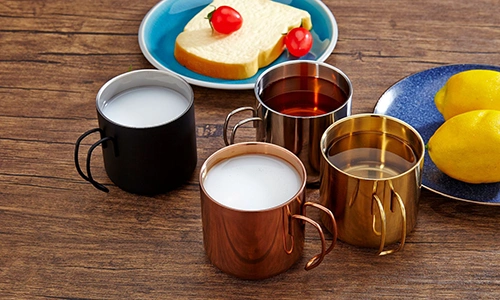
How to Judge the Quality of Stainless Steel Insulated Cups
How to Judge the Quality of Stainless Steel Insulated Cups Category: Stainless Steel KnowledgeAuthor: NovfeelUpdated: 2025(SEO-optimized enhanced version) Stainless steel insulated cups have become a daily essential for consumers across all occupations and lifestyles. From factory workers to celebri …
2025.10.29 -
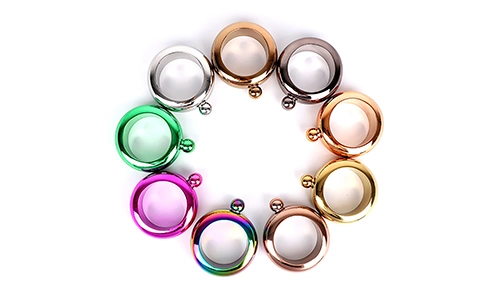
Custom Surface Finishes & Logo Branding for Stainless Steel Drinkware | Full-Service OEM & ODM Factory
Custom Surface Finishes & Logo Branding: Complete OEM & ODM Capabilities for Stainless Steel Drinkware Category: Manufacturing Capabilities / OEM & ODM CustomizationAuthor: NovfeelUpdated: 2025(SEO-optimized enhanced version) Introduction European buyers often worry whether a manufacture …
2025.11.29 -
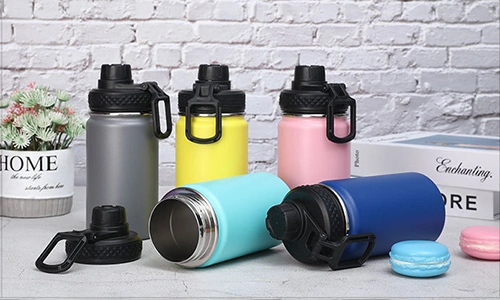
Sustainable & Compliant Stainless Steel Drinkware Manufacturing for the European Market | Novfeel Certifications Overview
Why European Buyers Trust Novfeel: Sustainable Manufacturing With Full Compliance Category: Sustainability & ComplianceAuthor: NovfeelUpdated: 2025(SEO-optimized enhanced version) Introduction In today’s European market, sustainability is no longer an option — it is a requirement. Buyers need su …
2025.11.29