
What to Do Before Using a New Stainless Steel Vacuum Cup|Proper Cleaning & Safety Guide for B2B Buyers
What Should You Pay Attention to Before Using a New Stainless Steel Vacuum Cup?
Category: Product Knowledge / Stainless Steel Drinkware Usage Guide
Author: Novfeel
Updated: 2025
(SEO-optimized enhanced version)
Introduction
For buyers working with a stainless steel water bottle supplier or sourcing products directly from an insulated bottle manufacturer, understanding proper first-time usage and cleaning methods is essential for product safety and customer satisfaction. A stainless steel vacuum cup undergoes multiple manufacturing steps—such as vacuum insulation, polishing, and internal treatment—so correct preparation before initial use ensures hygiene and optimal performance. This guide covers key precautions, safe cleaning practices, and how to remove odors naturally.
Ⅰ. Precautions Before Using a New Stainless Steel Vacuum Mug
A newly purchased stainless steel vacuum cup may contain trace residues from the production process, including lubricants or polishing particles. Simply rinsing with water a few times is not enough. Before using the cup for the first time, make sure to follow the steps below:
1. Perform High-Temperature Sanitization
Before first use, rinse or scald the cup with boiling water, or clean it several times using food-grade detergent. This helps remove processing residues and ensures safe contact with beverages.
2. Preheat or Pre-cool the Cup
For better insulation performance, preheat (with hot water) or pre-cool (with cold water) the cup for 5–10 minutes. This step enhances the efficiency of the vacuum insulated structure found in all double-wall stainless steel designs.
3. Avoid Overfilling
Do not fill the cup to the brim. Excessive liquid may overflow when the lid is secured, potentially causing scalding.
4. Drink Slowly to Prevent Burns
An insulated container retains heat very effectively. Sip carefully when drinking hot liquids.
5. Do Not Store Dairy or Carbonated Beverages Long-Term
Beverages such as milk, carbonated drinks or fruit juices may ferment, spoil, or damage the liner if stored for extended periods.
6. Close the Lid After Use
Tighten the lid after drinking to maintain hygiene and prevent contamination.
7. Use Appropriate Cleaning Tools
Clean with a soft cloth or sponge using diluted edible detergent. Avoid alkaline bleach, strong chemical cleaners, metal scrubbers, or abrasive materials.
8. Removing Rust Spots
Occasionally, minor rust-colored spots may appear due to minerals like iron in the water. These can be removed by soaking the cup in diluted vinegar for 30 minutes, then rinsing thoroughly.
9. Keep the Cup Dry After Washing
To prevent odors or stains and prolong the lifespan of your vacuum insulated bottle, wash and dry the cup completely before storing or covering it.
Ⅱ. How to Clean a Stainless Steel Vacuum Mug Properly?
Proper cleaning ensures longevity and maintains the hygiene standards expected in B2B-grade drinkware. Below are effective and safe methods to remove odors and clean the cup thoroughly:
1. Methods for Removing Odors
(1) Salt Water Cleaning
Add table salt and warm water into the cup, shake well, soak for 5–10 minutes, and rinse. Salt has a natural deodorizing effect.
(2) Orange Peel Deodorizing
Fresh orange peel absorbs internal odors. Add peel and water, close the lid, shake the cup gently, and let it sit before rinsing.
(3) Baking Soda Cleaning
Add about 5g of baking soda with hot water, shake, and rinse. Baking soda is highly effective for neutralizing stubborn smells.
Tip:When cleaning the inner liner of a stainless steel vacuum cup, use a soft sponge only. Harsh scrubbing materials may scratch the double-wall stainless steel interior.
2. Cleaning the Bottle Cap and Gaps
Remove the lid and apply a small amount of toothpaste onto a toothbrush. Gently brush the grooves and joints, then rinse thoroughly. This helps eliminate odor buildup caused by beverage residue.
3. Final Rinse and Drying
After cleaning the cup and lid:
-
Rinse both inside and outside several times with clean water
-
Ensure no detergent residue remains
-
Dry completely before closing the lid
Proper drying prevents internal odors and keeps the stainless steel vacuum cup fresh for long-term use.
Conclusion
Preparing and cleaning a stainless steel vacuum cup correctly ensures safety, hygiene, and optimal insulation performance. Whether you are a distributor working with an insulated bottle manufacturer or importing products from a stainless steel water bottle supplier, providing correct usage guidance to your customers can greatly improve user experience and reduce after-sales concerns. Following the recommended cleaning steps and precautions ensures long-lasting performance and ensures your drinkware products meet professional B2B standards.
Related Articles
-
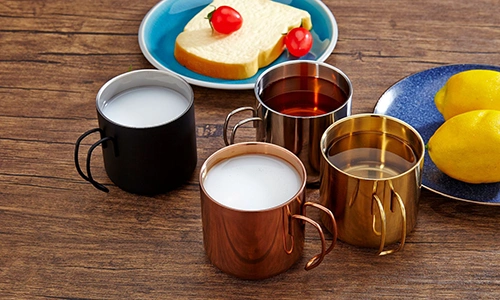
How to Judge the Quality of Stainless Steel Insulated Cups
How to Judge the Quality of Stainless Steel Insulated Cups Category: Stainless Steel KnowledgeAuthor: NovfeelUpdated: 2025(SEO-optimized enhanced version) Stainless steel insulated cups have become a daily essential for consumers across all occupations and lifestyles. From factory workers to celebri …
2025.10.29 -
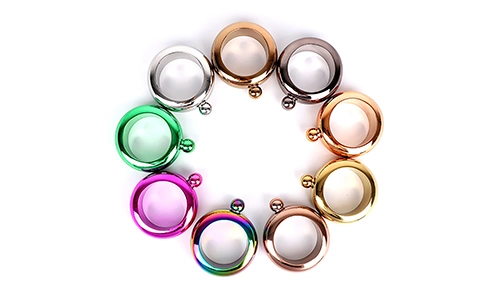
Custom Surface Finishes & Logo Branding for Stainless Steel Drinkware | Full-Service OEM & ODM Factory
Custom Surface Finishes & Logo Branding: Complete OEM & ODM Capabilities for Stainless Steel Drinkware Category: Manufacturing Capabilities / OEM & ODM CustomizationAuthor: NovfeelUpdated: 2025(SEO-optimized enhanced version) Introduction European buyers often worry whether a manufacture …
2025.11.29 -
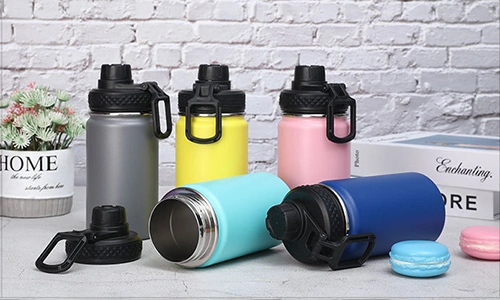
Sustainable & Compliant Stainless Steel Drinkware Manufacturing for the European Market | Novfeel Certifications Overview
Why European Buyers Trust Novfeel: Sustainable Manufacturing With Full Compliance Category: Sustainability & ComplianceAuthor: NovfeelUpdated: 2025(SEO-optimized enhanced version) Introduction In today’s European market, sustainability is no longer an option — it is a requirement. Buyers need su …
2025.11.29